
Donec efficitur, ligula ut lacinia
viverra, lorem lacus.
Donec efficitur, ligula ut lacinia
viverra, lorem lacus.

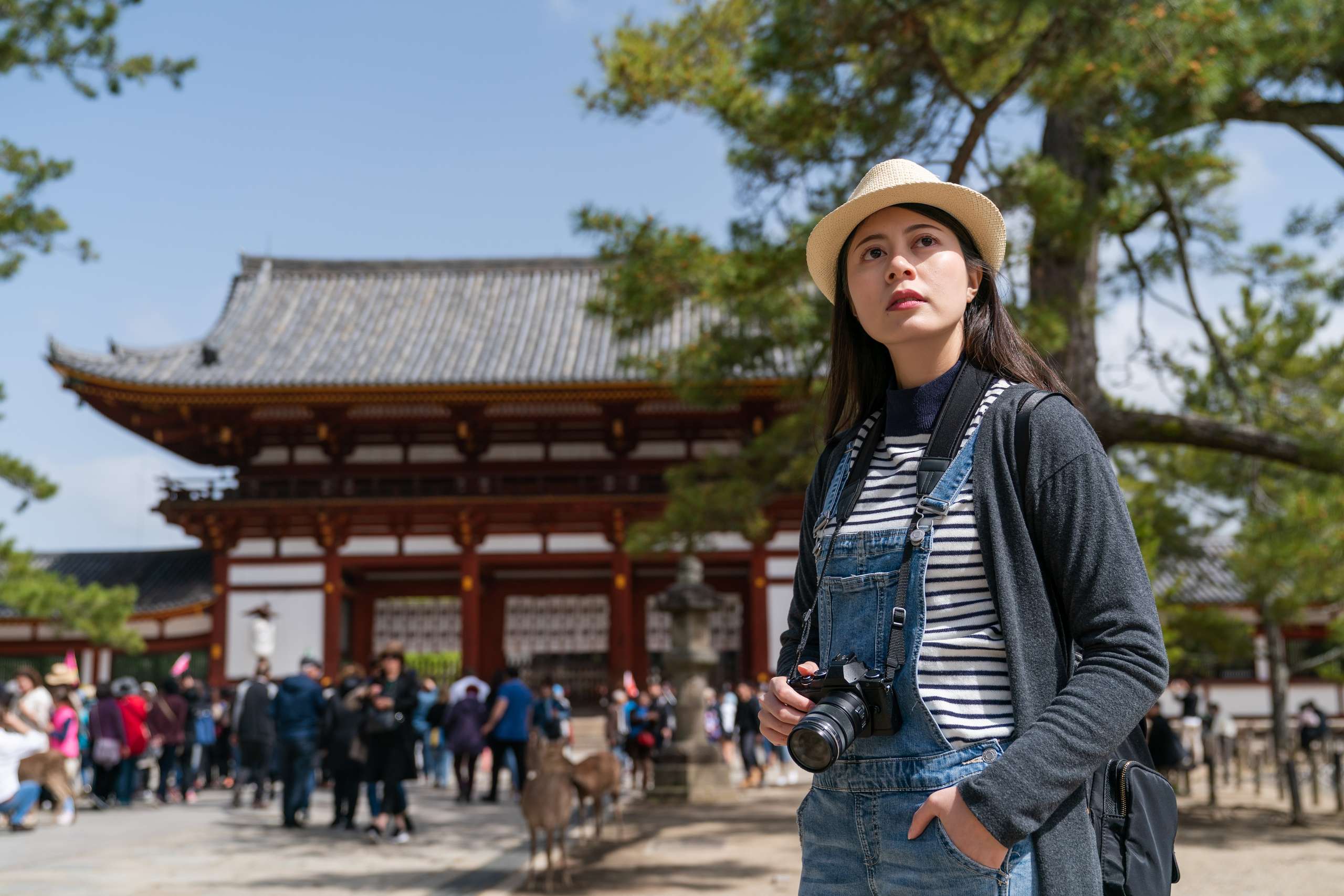
Starting to craft your first destination narrative can feel overwhelming when every landmark seems equally important. Focus first on selecting one small, manageable spot close to home or in a familiar city. Spend ten quiet minutes simply observing the location without taking notes or planning what to say. Notice the light at different times of day, the sounds that drift through the air, and the way people move around the space. This raw observation becomes the foundation for everything that follows.
Many beginners rush to collect every historical fact they can find and then try to pour it all into one long explanation. The common mistake here lies in treating the narrative like a lecture instead of a shared experience. Correct this by choosing only three sensory details that stand out during your observation and linking each one to a single emotion or simple story. For instance, the way sunlight warms an old stone wall might connect to the feeling of quiet endurance rather than a list of construction dates. This keeps the telling intimate and memorable.
Once you have those core details, practice shaping them into a short spoken segment that lasts no more than ninety seconds. Stand in front of a mirror or record yourself on your phone while describing the spot as if guiding a single curious friend. Listen back carefully and ask yourself whether the words paint a clear picture or simply recite information. If the delivery feels flat, slow your pace on the sensory words and add a gentle pause after the emotional connection. Small adjustments like this sharpen clarity without adding complexity.
A practical daily practice routine helps turn these early attempts into steady progress. Begin each session with five minutes of silent observation at your chosen spot or a photograph of it. Follow that with ten minutes of speaking the narrative aloud, focusing on natural rhythm rather than perfection. End with three minutes of reflection by writing down one phrase that felt especially alive and one that still sounded stiff. Repeat this cycle four or five times a week, gradually moving to a new location only after the current one flows comfortably from start to finish.
When you hit a point where the words start sounding repetitive or forced, step away for a day and return with fresh ears. Try walking the route slowly while whispering the narrative to yourself, letting the physical movement influence your tone and pacing. This often reveals where the story naturally wants to breathe or where a detail needs trimming. Over time the process builds confidence that comes from repeated real application rather than theoretical knowledge.
Keep returning to the same simple locations and refining the same short segments until they feel like second nature. The quiet accumulation of these practiced moments creates the solid base needed for longer and more varied guiding experiences ahead.